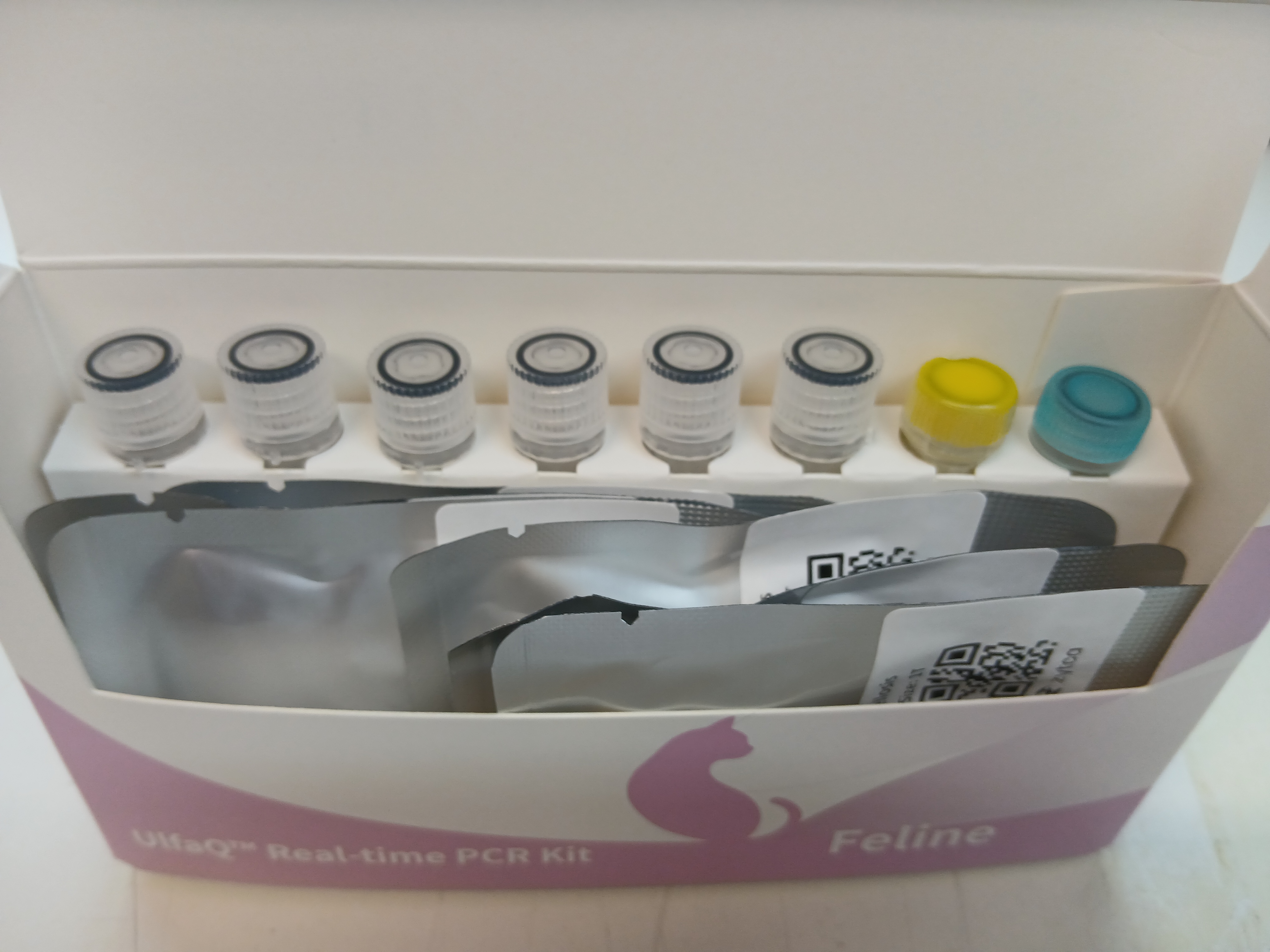
Description
In cats, haemotropic mycoplasmas (Mycoplasma haemofelis, Mycoplasma haemominutum, and Mycoplasma turicensis) attach to erythrocytes, typically causing subclinical infection but haemolytic anaemia in splenectomised, immunocompromised, or stressed animals, with M. haemofelis being most pathogenic. Clinical signs, when present, include lethargy, anorexia, fever, pale or icteric mucous membranes, splenomegaly, and regenerative haemolytic anaemia (often with spherocytes and autoagglutination on blood smear); M. haemominutum and M. turicensis rarely cause overt disease except in high-burden co-infections.
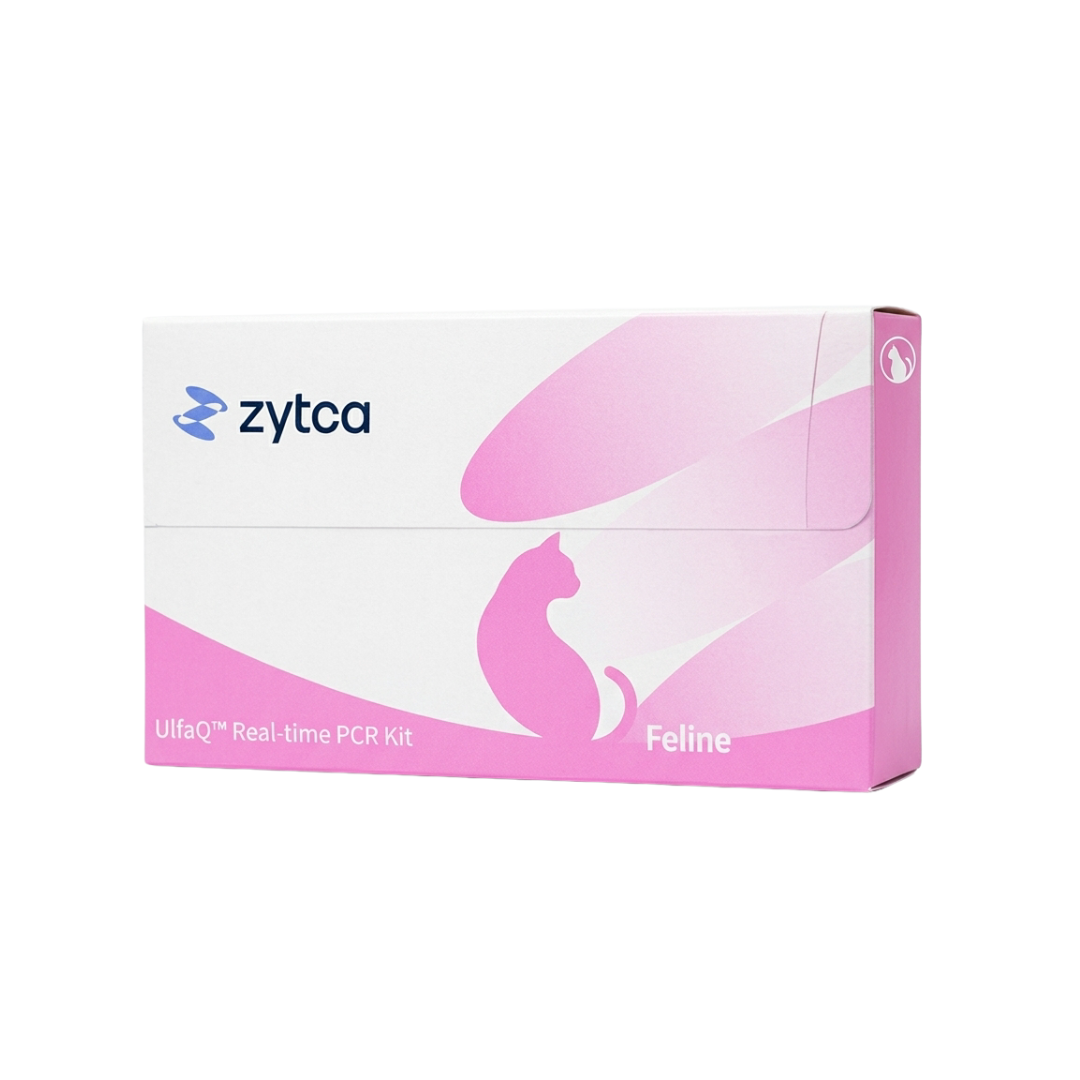
Diagnosis starts with CBC documenting regenerative anaemia and EDTA blood smears (rarely showing organisms due to low parasitaemia), plus supportive biochemistry (hyperbilirubinemia). Serum Coombs’ test rules out immune-mediated causes. Quantitative PCR (qPCR) on whole blood (EDTA) is the gold standard, detecting and quantifying each species’ DNA with high sensitivity, distinguishing them (M. haemofelis highest load in acute cases), confirming active infection when smears are negative, and monitoring treatment response, as persistent low-level infection is common post-treatment.