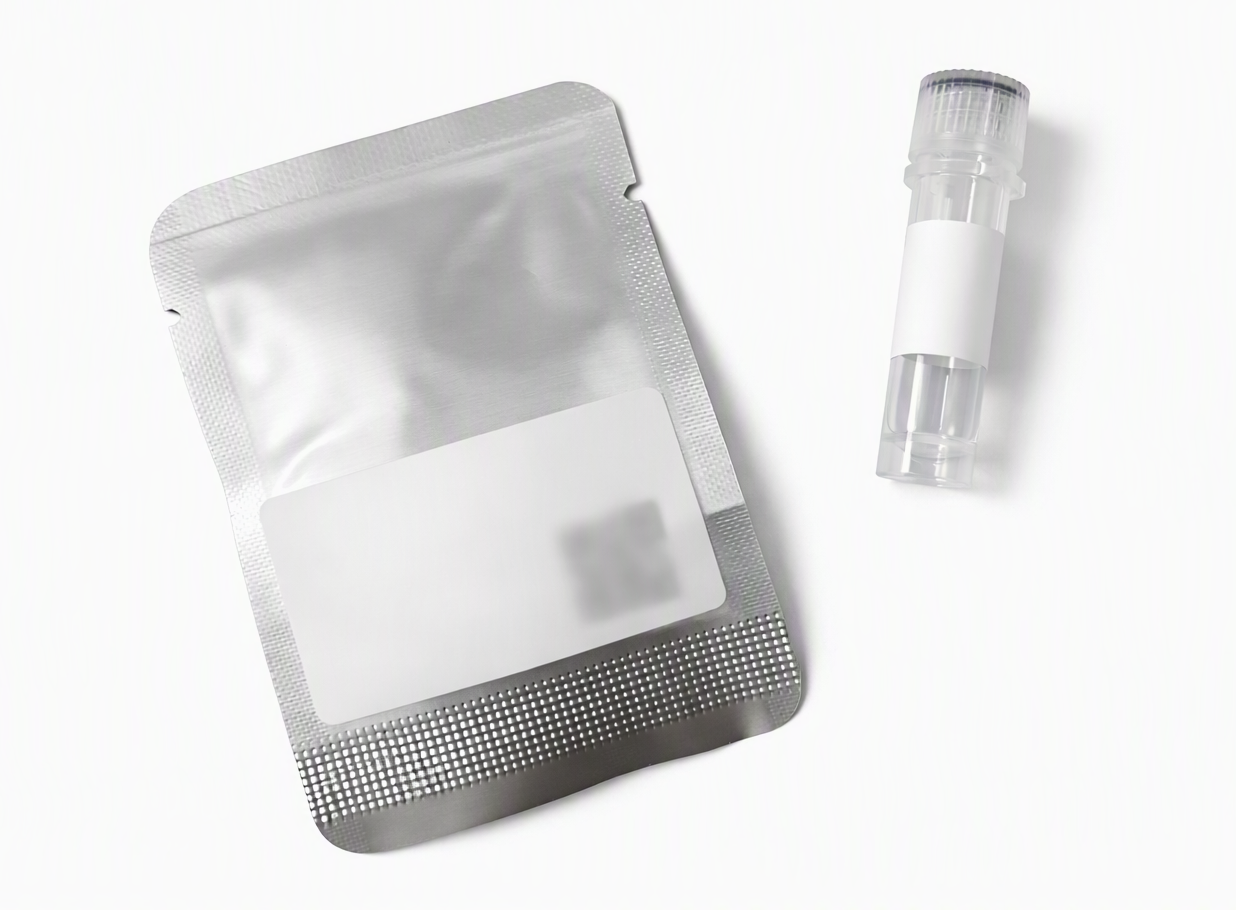
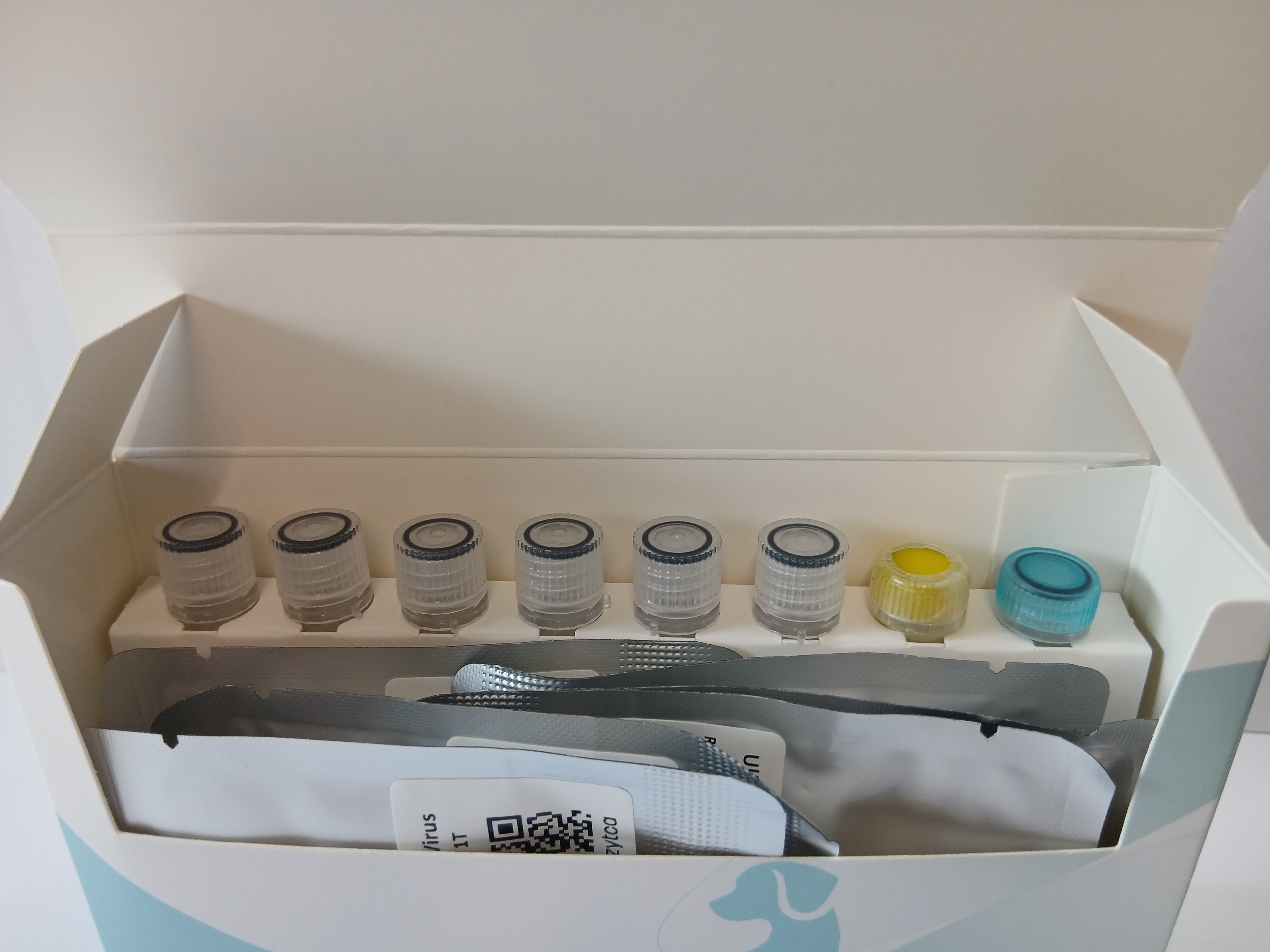
Description
In dogs, canine adenovirus type 1 (CAV-1) causes infectious canine hepatitis, a potentially severe disease primarily affecting the liver, vascular endothelium, and kidneys, with puppies and unvaccinated dogs at highest risk. Acute infection often presents with fever, lethargy, anorexia, vomiting, haemorrhagic diarrhoea, abdominal pain, dehydration, conjunctivitis, petechial haemorrhages on mucous membranes, and jaundice due to hepatocellular necrosis; coagulopathies may lead to epistaxis or prolonged bleeding, and corneal oedema (“blue eye” or “hepatitis blue eye”) develops 7–10 days post-infection from immune-mediated anterior uveitis.
Diagnosis of CAV-1 relies on clinical signs, history of exposure (via urine, faeces, saliva), and supportive lab findings like leukopenia, elevated liver enzymes, and prolonged coagulation times. Serum or whole blood (EDTA) is submitted for serology (SN test or ELISA) to detect rising antibody titres, while tissues (liver, kidney) from necropsy or biopsy provide histopathology showing characteristic features.
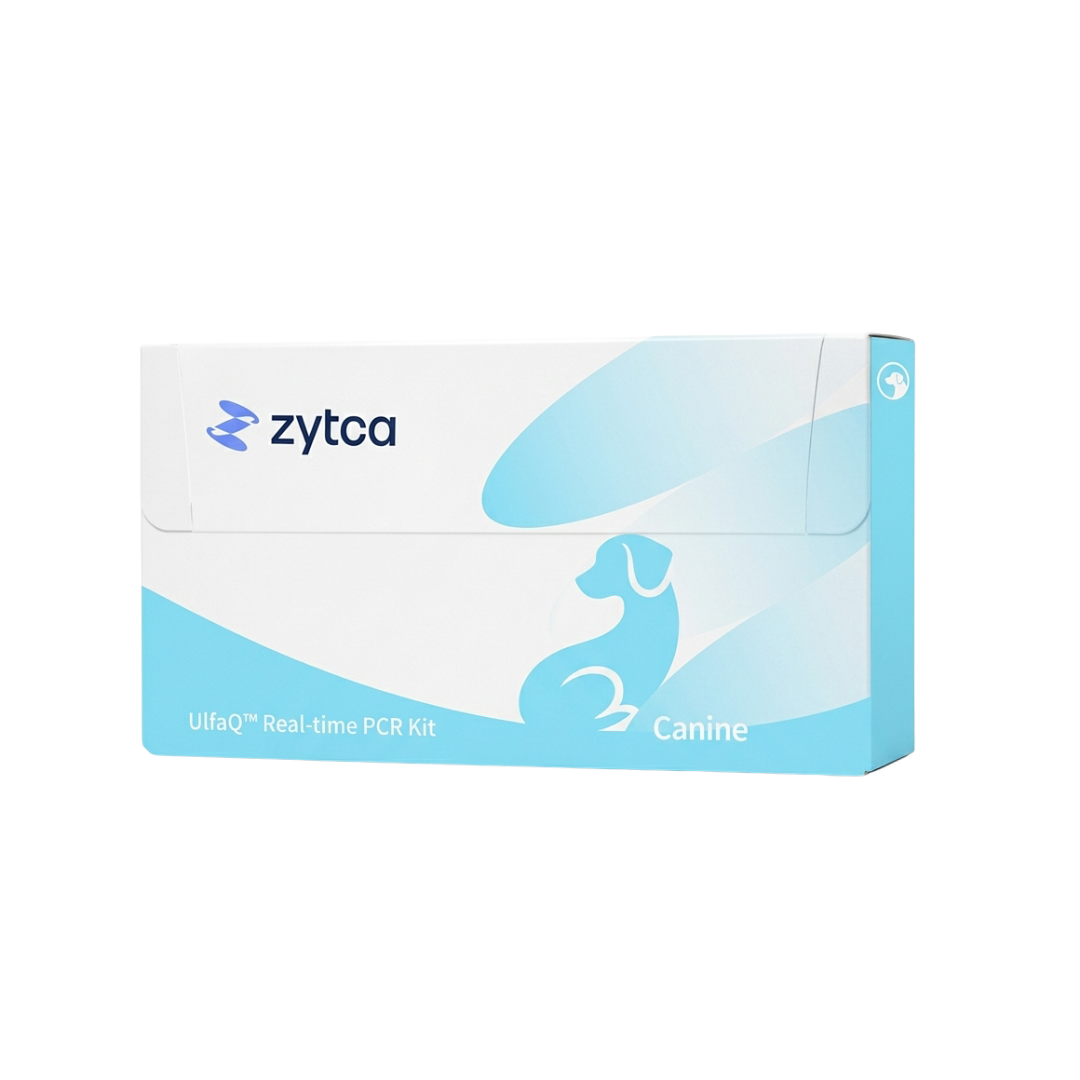
Quantitative PCR (qPCR) on blood, urine, or fresh/frozen tissues (liver, spleen) is highly sensitive for detecting CAV-1 DNA during acute viremia or renal shedding (up to 6–9 months post-recovery), confirming active infection and distinguishing it from other hepatopathies; positive qPCR in a symptomatic dog with compatible histopathology strongly supports the diagnosis.