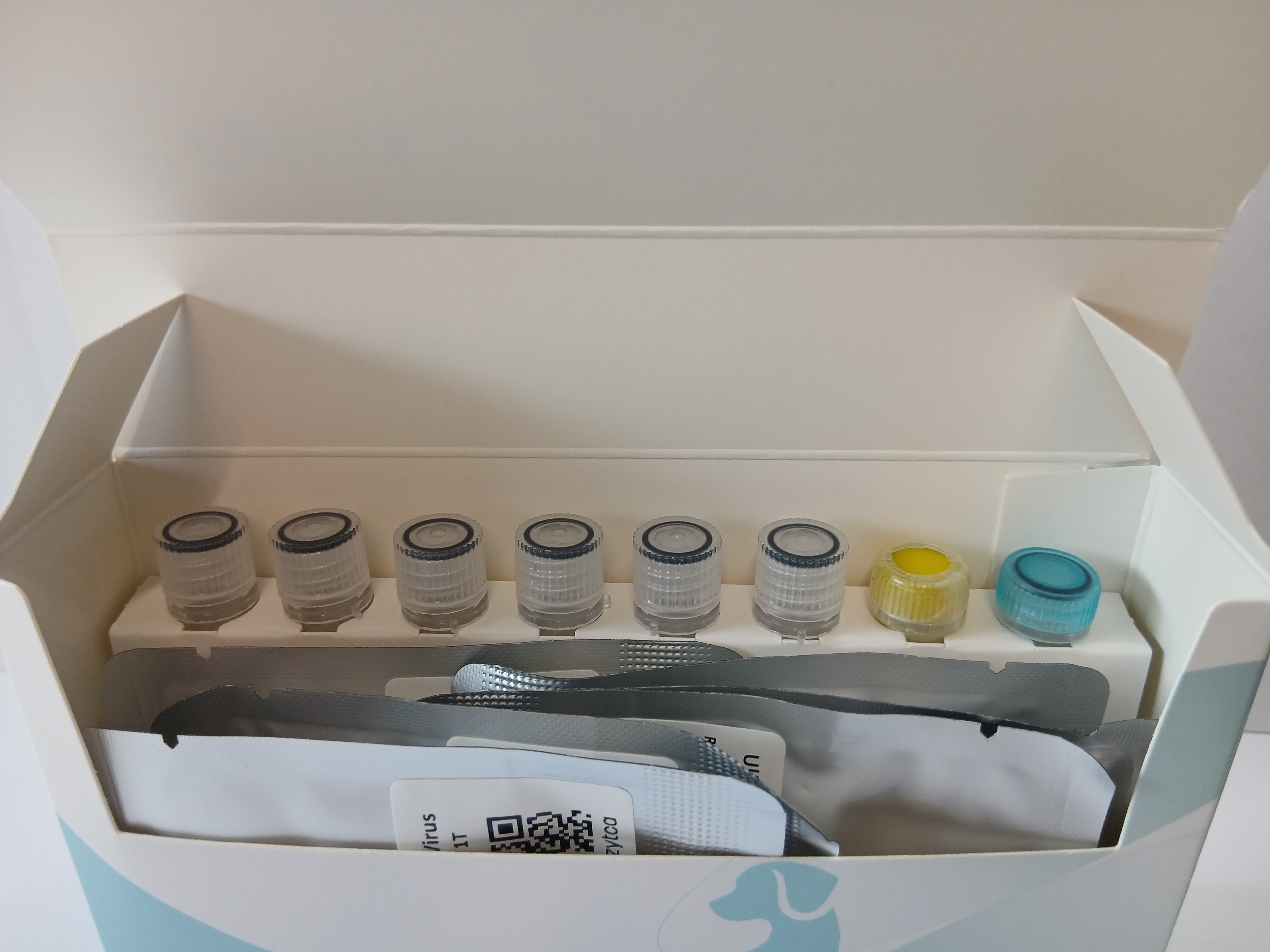
Description
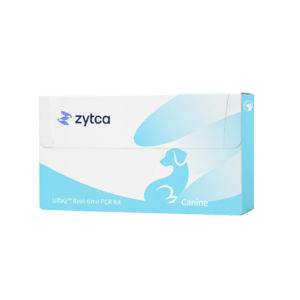
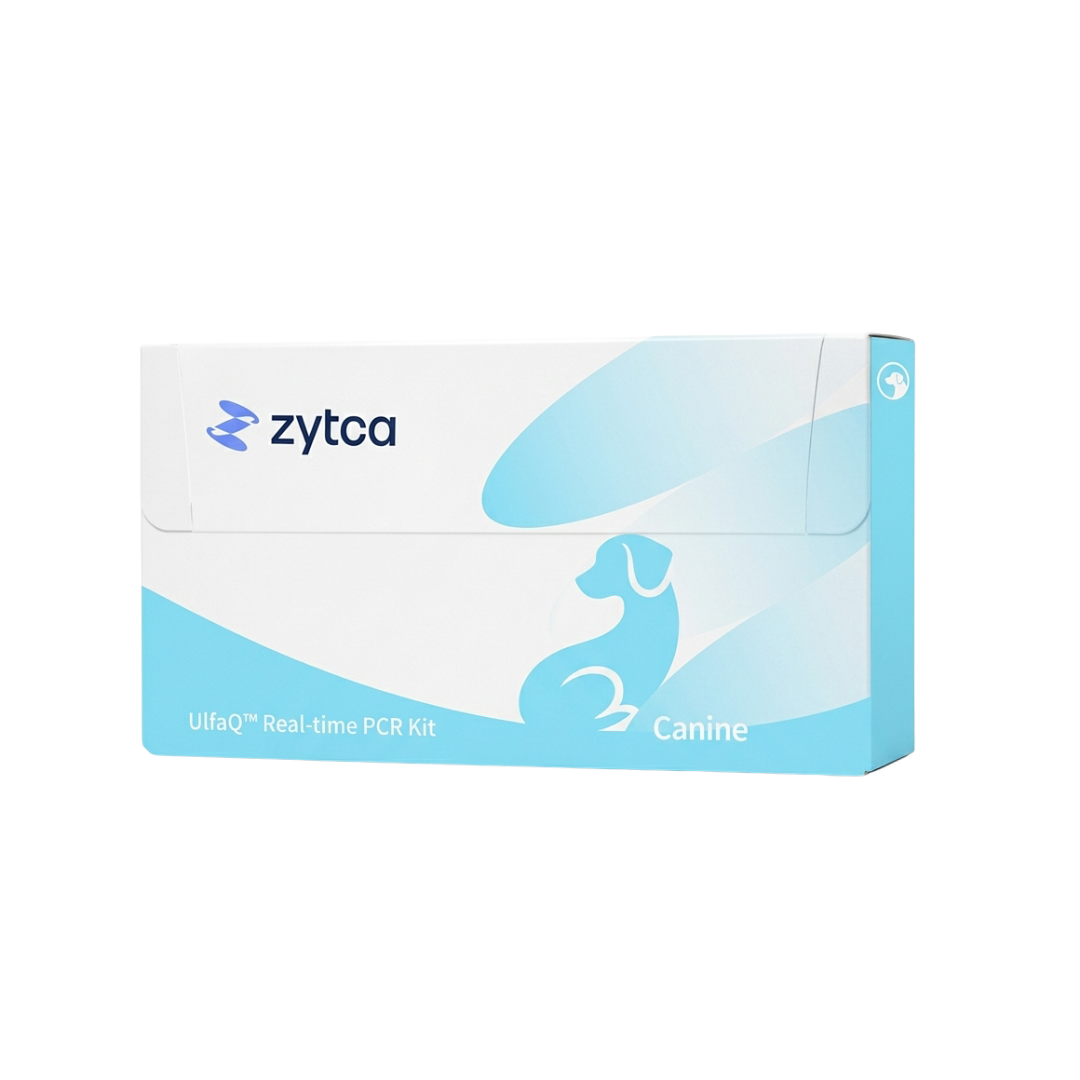
Canine influenza virus (CIV), canine distemper virus (CDV), canine parainfluenza virus (CPiV), canine adenovirus type 2 (CAV-2), Mycoplasma cynos, and Bordetella bronchiseptica primarily cause respiratory disease in dogs as components of canine infectious respiratory disease complex (CIRDC). CIV causes acute, highly contagious upper/lower respiratory infection with fever, serous-to-purulent nasal/ocular discharge, harsh cough (“kennel cough”), lethargy, and anorexia; pneumonia develops in ~20–30% of cases, especially puppies/seniors.
CDV presents multisystemically with initial fever, mucopurulent oculonasal discharge, cough, vomiting/diarrhoea, progressing to neurologic signs (myoclonus, seizures, ataxia) in ~30% of cases. CPiV and CAV-2 contribute to mild tracheobronchitis (dry/hacking cough, retching), while Mycoplasma cynos and B. bronchiseptica cause similar non-specific signs (cough, nasal discharge, fever), often with secondary bacterial pneumonia in stressed or unvaccinated dogs.
Samples includee conjunctival/nasopharyngeal/oropharyngeal swabs in Virus Transportation Medium (VTM), tracheobronchial lavage, or BAL fluid for respiratory pathogens, plus whole blood (EDTA), serum, urine, or CSF (for CDV neurologic cases); CBC often shows lymphopenia/neutrophilia. Serology (paired sera for IgM/IgG rise) and antigen tests (IFA/ELISA on swabs) support exposure, while histopathology (lung, CNS for CDV) shows inclusions. qPCR multiplex panels on respiratory swabs or BAL detect/quantify viral (CIV, CDV, CPiV, CAV-2) and bacterial (Mycoplasma cynos, B. bronchiseptica) DNA/RNA simultaneously with high sensitivity, distinguishing co-infections, confirming active shedding, and guiding antiviral/antimicrobial therapy in outbreaks.