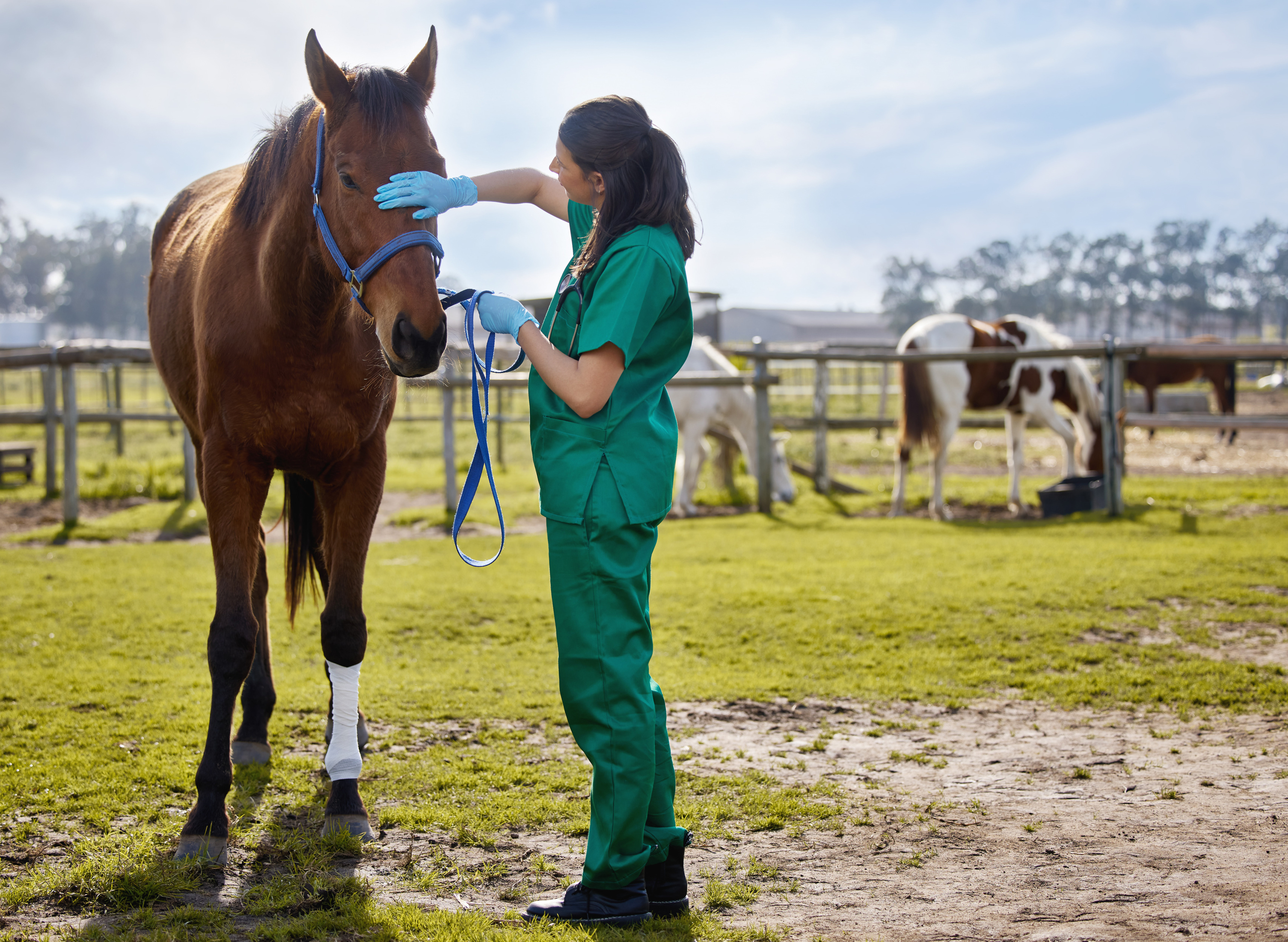
Neurotropic EHV-1: Why Rapid PCR Matters for Equine Outbreak Control admin April 10, 2026 When neurologic disease is a possibility, early PCR testing can help confirm infection, support biosecurity decisions, and guide more confident…
UK Leishmania Cases Rise: Imported Dogs and Non-Vectoral Transmission admin March 30, 2026 Canine leishmaniosis is no longer just an “imported curiosity” for UK vets; recent data show a growing caseload in practices,…
Leptospirosis: Recognising the Signs Early – Symptoms, Zoonotic Risk, PCR Role admin March 23, 2026 Canine leptospirosis remains a significant cause of acute kidney and liver injury in UK dogs. Learn how modern qPCR assays…
Top Parasites in UK Dogs & Cats: Prevalence, Seasonality and the Role of PCR Detection admin March 16, 2026 Companion animals in the United Kingdom are exposed to a range of endemic parasites that can affect both animal health
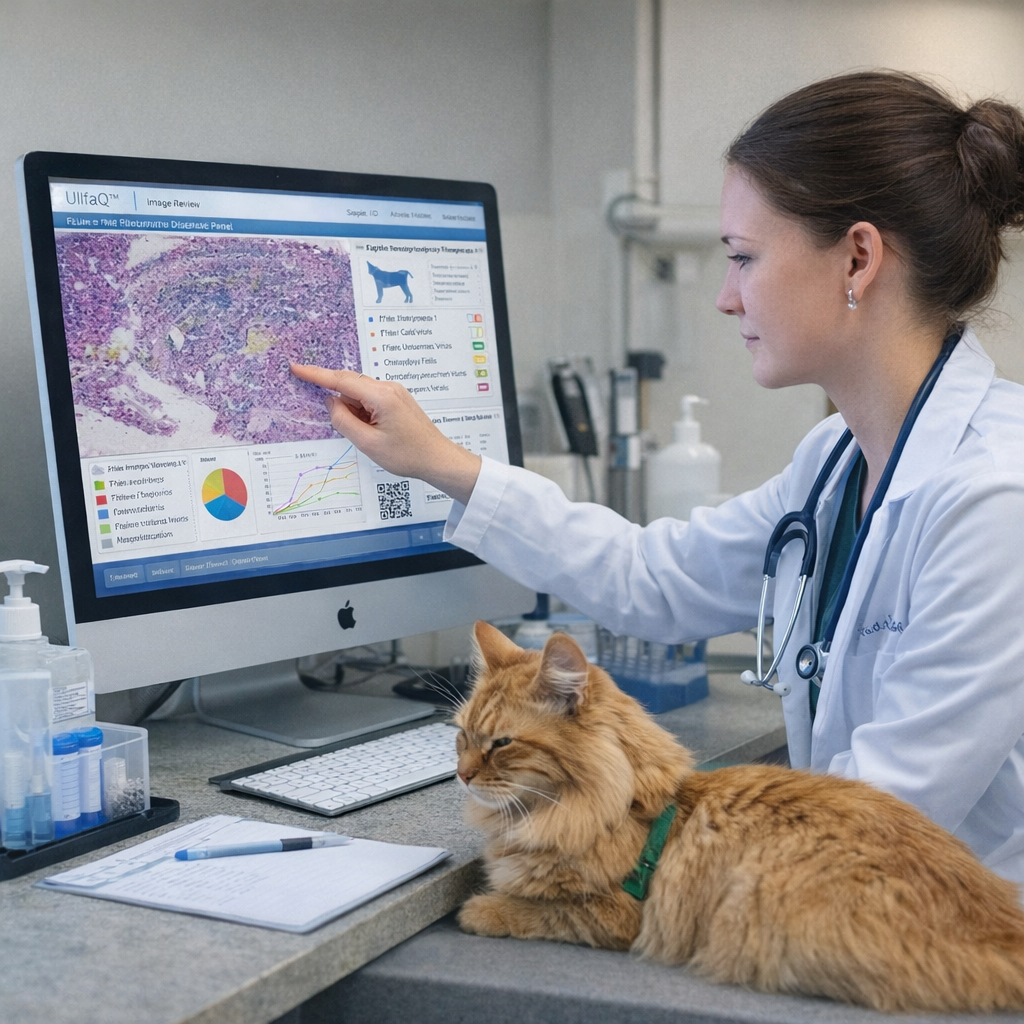
How AI Is Transforming Veterinary Diagnostics admin March 9, 2026 AI is rapidly moving from experimental tool to an everyday assistant in veterinary diagnostics, especially in imaging and pathology, and…
Why diagnostics matter for wildlife conservation? admin March 3, 2026 World Wildlife Day is a reminder that safeguarding biodiversity depends on how quickly we can detect, understand, and respond to
40-Minute qPCR: Faster Answers, Better Care, Stronger Returns admin February 20, 2026 YTCA’s in‑clinic qPCR - UlfaQ™ P30 gives veterinary teams more than just a positive or negative result. In just 40…
Respiratory Health in dogs and cats and the benefit of rapid molecular diagnostics admin February 19, 2026 Infectious respiratory disease in dogs and cats is typically multifactorial, and syndromic qPCR panels now sit at the centre of…
Do All Cats Really Need Monthly Worming? admin February 8, 2026 💡Routine qPCR faecal testing can help identify which cats genuinely carry intestinal worms, allowing more targeted worming protocols, reducing unnecessary
Parvo awareness: protecting dogs, cats, and veterinary clinics admin January 24, 2026 Author: Dr Matias G. Perez Parvoviral disease is one of those problems that quietly sits in the background of small-animal