

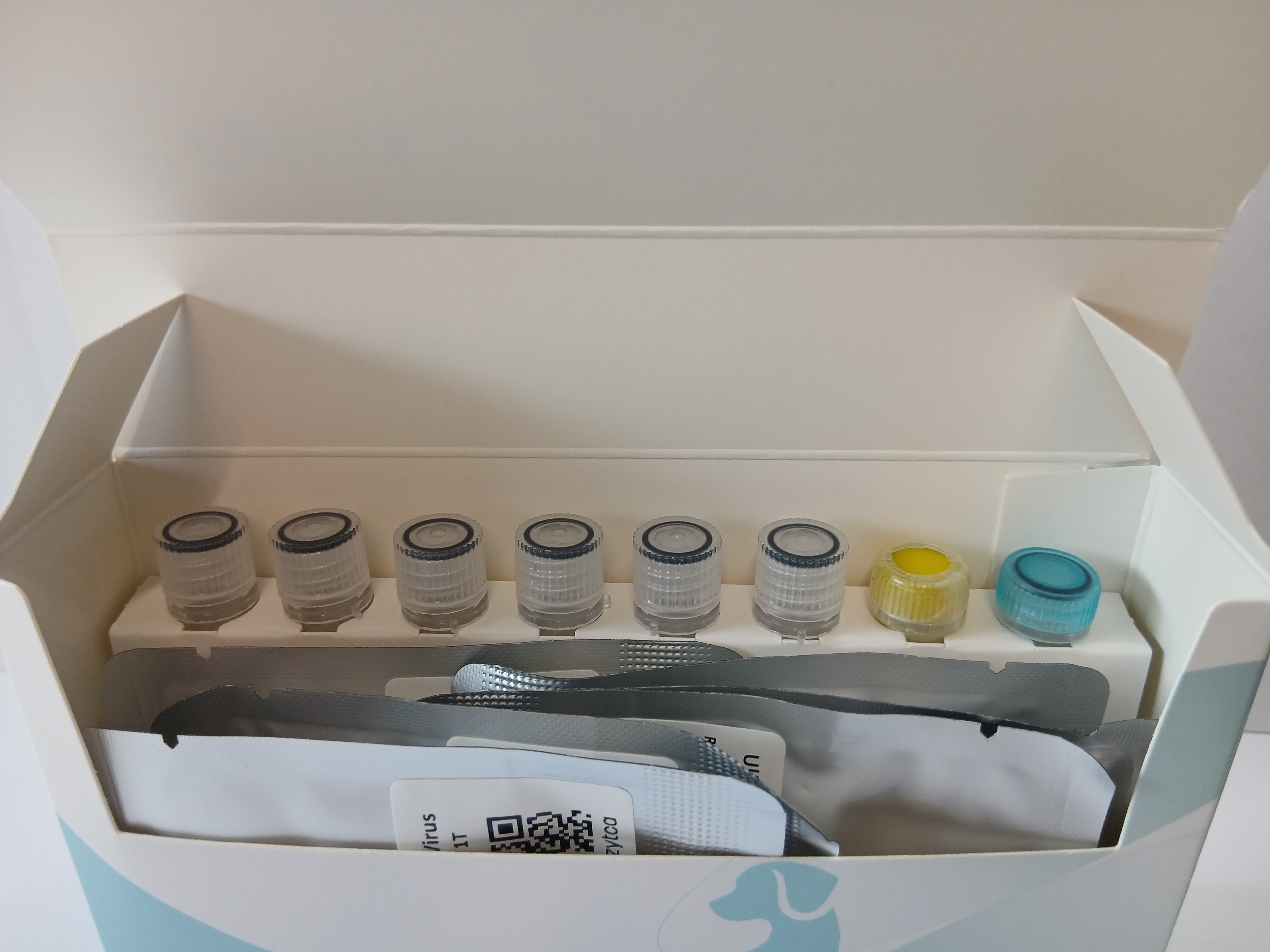

Description
Babesia canis (subspecies canis and vogeli) in dogs typically causes an acute haemolytic syndrome with fever, lethargy, pale or icteric mucous membranes, dark urine (haemoglobinuria), tachycardia, splenomegaly, and variable thrombocytopenia; B. canis vogeli is often milder than B. canis canis but can be severe in puppies or splenectomised dogs. Babesia gibsoni often produces more chronic, waxing/waning anaemia, lethargy, weight loss, and splenomegaly, and can be associated with immunemediated haemolytic anaemia and thrombocytopenia; it is classically linked to fighting breeds (e.g., American Pit Bull Terriers). Thin blood smears (capillary or peripheral blood) are used to look for intraerythrocytic piroplasms, but parasitaemia may be low, especially in chronic B. gibsoni infection, so PCR on EDTA blood is preferred to detect and speciate Babesia.
qPCR on blood allows sensitive detection and quantification, helps differentiate between large and small Babesia species and subspecies, and is valuable for monitoring treatment success, as BabesiaDNA may persist at low levels even after clinical recovery.