Description
Feline coronavirus (FCoV) is very common in multi-cat environments and usually causes either no signs or a mild, self-limiting enteritis. Most infected cats are clinically normal or show transient diarrhoea, soft stools, occasional vomiting, and mild lethargy, particularly kittens or stressed animals. A small proportion of cats develop feline infectious peritonitis (FIP) after internal mutation of FCoV, presenting with persistent fever unresponsive to antibiotics, weight loss, anorexia, and either effusive (wet) disease with abdominal or thoracic effusions, or non-effusive (dry) disease with granulomatous lesions in organs such as eyes, CNS, kidneys, or lymph nodes, leading to icterus, ocular changes (uveitis, chorioretinitis), and neurologic deficits.
Diagnosis of uncomplicated enteric FCoV infection is rarely pursued clinically, as it is so widespread and usually mild; when needed, faecal samples can be tested by PCR to confirm shedding. In suspected FIP, diagnostic work-up includes CBC/biochemistry (often hyperglobulinemia, low albumin:globulin ratio), effusion analysis (high protein, low-to-moderate cellularity), and imaging to detect effusions or organ changes.
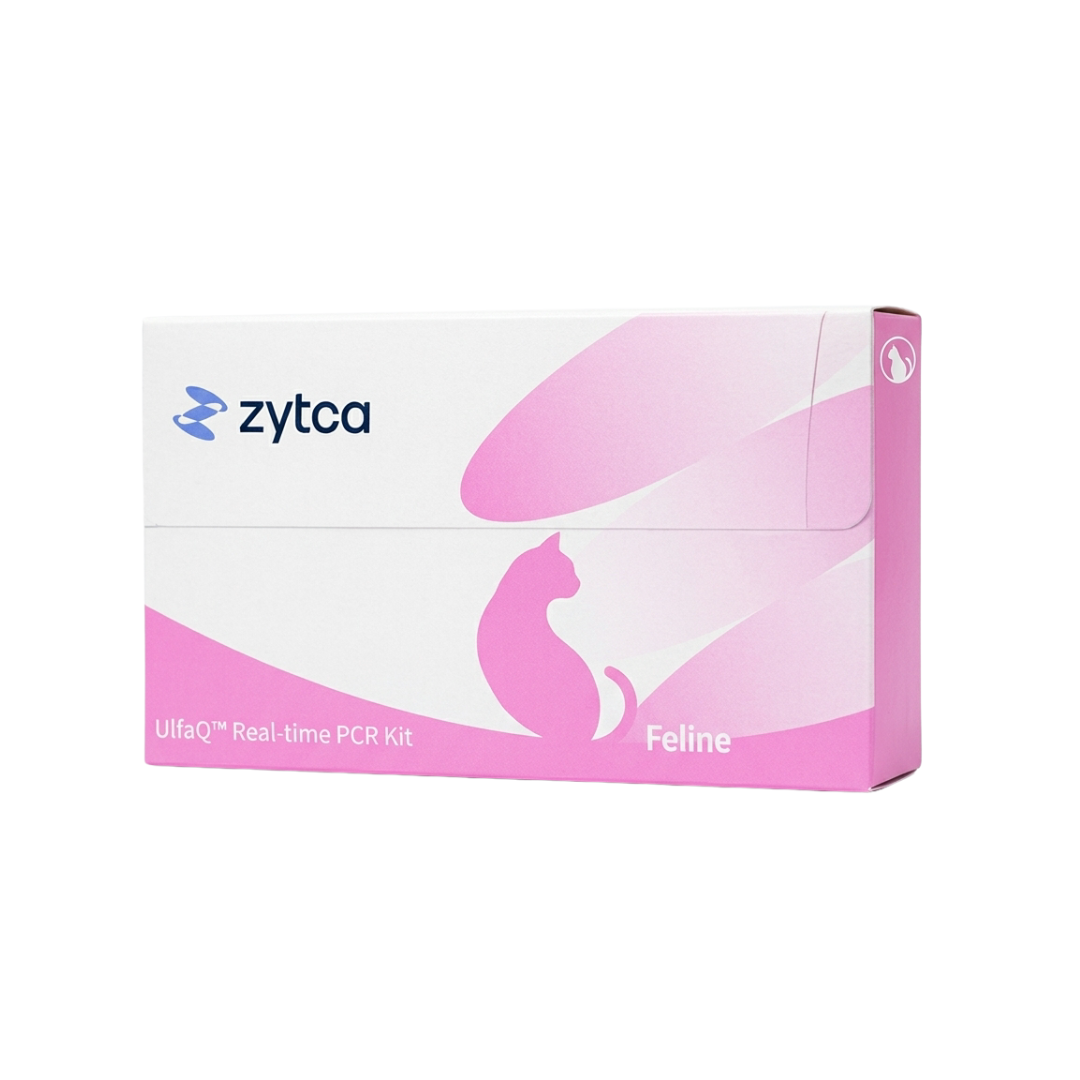
To utilize qPCR in this context, samples such as faeces (for shedding), effusion fluid, blood, or tissue aspirates/biopsies (e.g., mesenteric lymph node, liver, kidney) are submitted for quantitative PCR targeting FCoV RNA. High viral loads in effusions or tissues from a cat with compatible clinical and laboratory findings strongly support FIP, whereas low-level faecal shedding alone is consistent with common enteric infection rather than systemic disease.