Description
Aelurostrongylus abstrusus?(feline lungworm) infects cats via ingestion of infected snails, slugs, or paratenic hosts like birds or rodents, with adult worms in bronchioles and small airways causing chronic respiratory disease. Clinical signs range from subclinical infection to mild-to-moderate coughing (dry or productive), dyspnoea, tachypnoea, exercise intolerance, and occasionally weight loss or gagging; severe cases in kittens or heavy burdens may progress to pneumonia, emphysema, or secondary bacterial infection, but fatalities are rare.
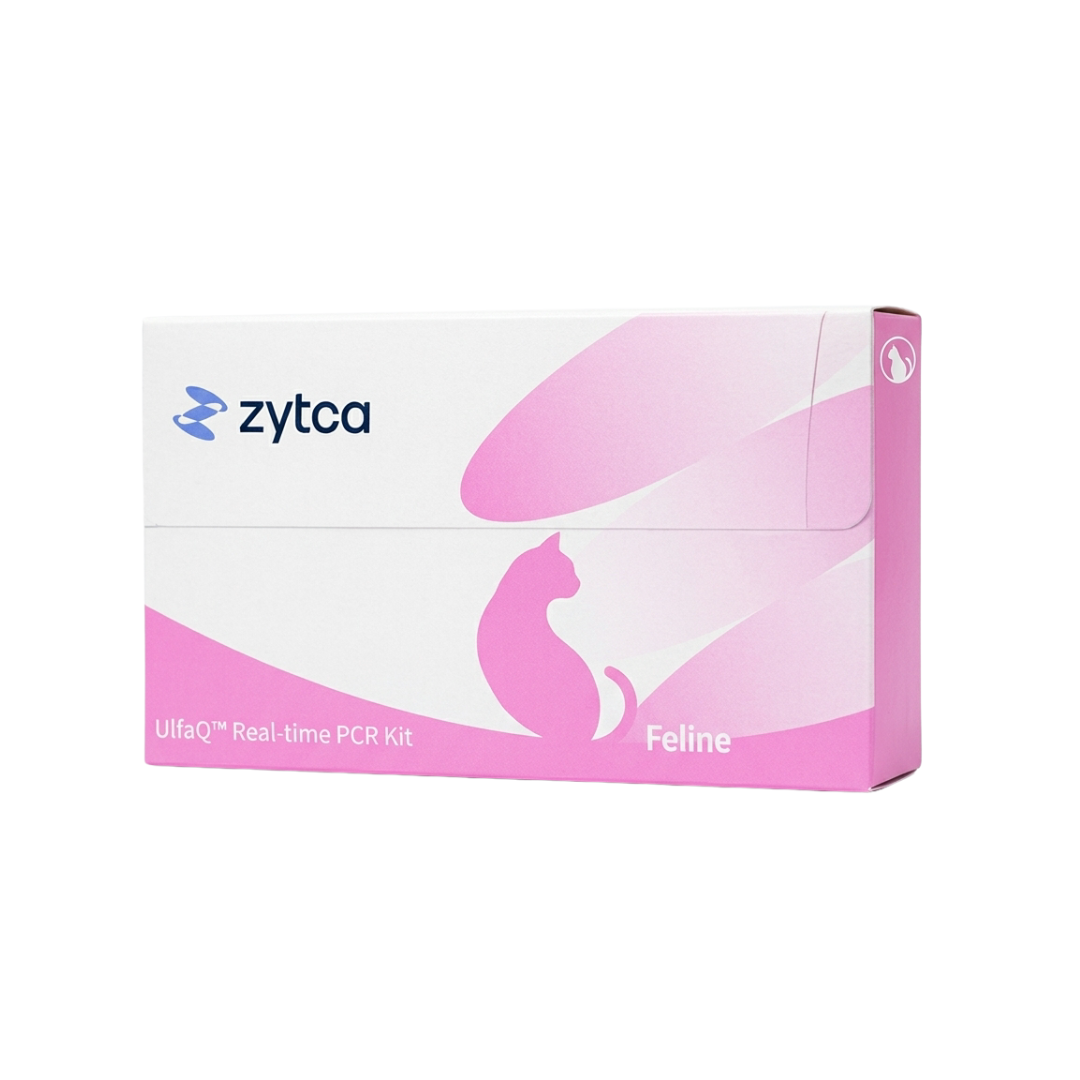
Diagnosis relies on faecal examination using the Baermann sedimentation technique to detect characteristic L1 larvae (with a dorsal spine), often requiring multiple samples due to intermittent shedding; thoracic radiographs may show a bronchial or interstitial pattern. qPCR on faeces, bronchoalveolar lavage fluid (BAL), or sputum is highly sensitive, detecting low larval burdens missed by Baermann, confirming active infection, quantifying worm load to assess treatment need (e.g., fenbendazole or emodepside), and distinguishing? A. abstrusus?from other feline lungworms likeTroglostrongylus brevior, especially in mixed infections.