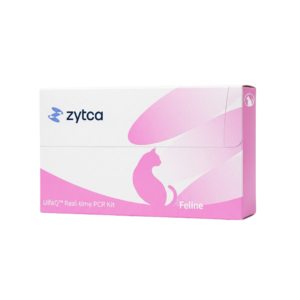

Description
In dogs, leptospirosis caused by pathogenicLeptospira?spp. most commonly presents as acute kidney injury, hepatopathy, or a combination of both, with nonspecific signs such as fever, lethargy, anorexia, vomiting, abdominal pain, and polyuria/polydipsia; in severe cases, oliguria/anuria, icterus, and signs of uraemia (oral ulcers, uremic breath) may develop. Muscle pain, stiffness, reluctance to move, and uveitis are also frequently reported, and some dogs show signs of leptospiral pulmonary haemorrhage syndrome (tachypnoea, haemoptysis, hypoxaemia) or bleeding tendencies (petechiae, epistaxis, melena) due to vasculitis and coagulopathy.
In cats,Leptospira?spp. infection is common but clinical disease is less frequent; when it occurs, it typically manifests as interstitial nephritis with acute polyuria/polydipsia, anorexia, and lethargy, and less commonly as uveitis, bleeding disorders, or mild gastrointestinal signs, often in cats with underlying immunosuppression or comorbidities.
To confirm leptospirosis, a combination of serology and PCR is used, with samples selected according to disease stage and clinical presentation. In the early, acute phase (first 7–10 days), whole blood (EDTA) is the preferred sample for PCR, as it can detect circulating leptospires; urine PCR is more useful in the later phase when leptospires are shed in urine.
Paired serum samples (acute and convalescent, 2–4 weeks apart) are submitted for microscopic agglutination test (MAT) to demonstrate a fourfold or greater rise in antibody titre, which supports active infection; a single high titre can suggest exposure but does not distinguish acute from past infection.
Quantitative PCR (qPCR) is particularly valuable because it can detect and quantify LeptospiraDNA in blood or urine, helping to confirm active infection and monitor response to treatment; a positive qPCR in blood during the acute phase, especially when combined with compatible clinical signs and rising MAT titres, provides strong evidence for a diagnosis of clinical leptospirosis.