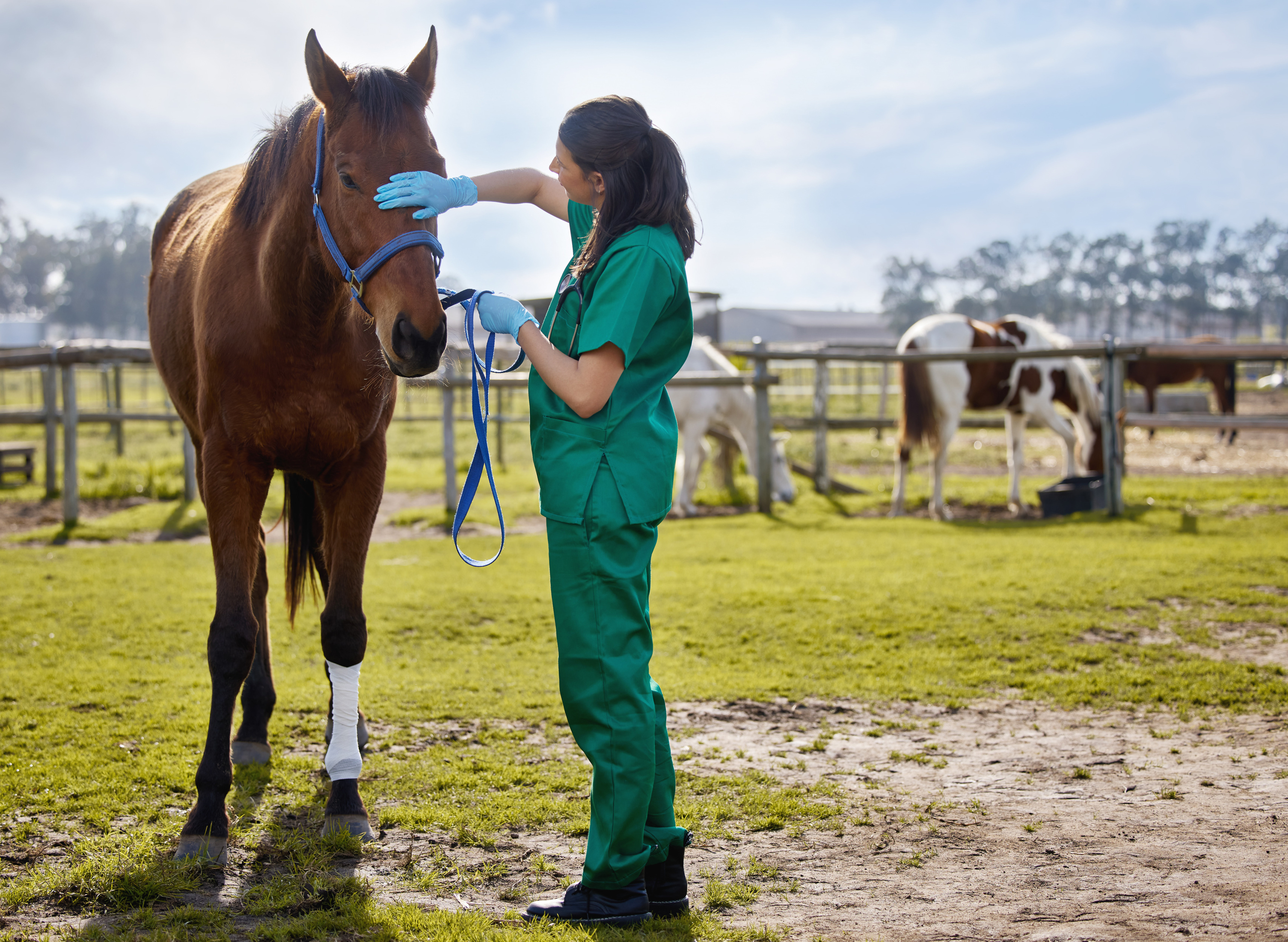


Companion animals in the United Kingdom are exposed to a range of endemic parasites that can affect both animal health and public health. Among the most clinically and epidemiologically relevant are intestinal nematodes (roundworms and hookworms), ectoparasites (fleas and ticks), and protozoa such as Giardia duodenalis.
Understanding their prevalence, transmission patterns and seasonal dynamics is essential for effective prevention, surveillance and diagnosis. Advances in molecular diagnostics, particularly PCR-based detection, are increasingly supporting sensitive identification of these infections in both symptomatic and subclinical animals.
This overview summarises key parasites affecting UK dogs and cats, with emphasis on epidemiology and diagnostic considerations.
Roundworms (Toxocara spp.)
Roundworms are among the most prevalent endoparasites in UK companion animals and represent an important zoonotic concern. Toxocara canis and Toxocara cati are widely distributed across Europe and remain key targets for routine parasite control programmes.
Regional UK data indicate that approximately 5.3% of dogs and 26% of cats may be actively shedding Toxocara eggs in faeces, even in apparently healthy adult animals.
Roundworm transmission occurs primarily through ingestion of infective eggs from contaminated environments, with owned dogs considered a major contributor to environmental contamination in the UK.
Seasonality & risk factors (UK):
- Higher prevalence in puppies and kittens
- Outdoor access and predation
- Urban environmental contamination (parks, gardens)
- Inadequate deworming frequency
Hookworms (Ancylostoma / Uncinaria)
Hookworms occur in the UK at lower prevalence than roundworms but remain clinically relevant intestinal nematodes of dogs and cats. European surveys confirm the presence of Uncinaria stenocephala and Ancylostoma spp. in UK pets, often at low egg counts.
These parasites attach to the intestinal mucosa and can cause enteritis, anaemia and diarrhoea in heavier infections.
UK epidemiological notes:
- More common in dogs than cats
- Higher risk in kennelled or outdoor animals
- Moist environments favour larval survival
Fleas (Ctenocephalides felis)
Fleas remain the most common ectoparasite of UK dogs and cats and a major cause of dermatological disease and vector-borne pathogen transmission.
Beyond causing irritation and flea allergy dermatitis, fleas act as vectors for pathogens such as Dipylidium caninum, Bartonella spp., and Rickettsia felis.
Seasonality in the UK:
- Peak infestations in late summer and autumn
- Increasing year-round prevalence due to heated indoor environments
- Persistent household environmental stages
Ticks (Ixodes ricinus and others)
Ticks are established across the UK and are expanding in distribution due to climate and ecological changes. They are significant vectors of multiple pathogens affecting dogs and cats in Europe.
The most common UK species, Ixodes ricinus, transmits agents such as Borrelia burgdorferi and Anaplasma phagocytophilum.
UK epidemiology:
- Highest risk in spring and autumn
- Woodland, grassland and peri-urban habitats
- Outdoor and rural dogs at greatest exposure
Giardia (Giardia duodenalis)
Giardia duodenalis is a common intestinal protozoan in European dogs and cats, with overall prevalence typically around 3–7%, but substantially higher in young animals.
Transmission occurs via ingestion of environmentally resistant cysts in contaminated water, food or surfaces.
UK-relevant risk factors:
- Kennels, shelters and multi-pet households
- Young age (<1 year)
- Contaminated water sources
- Faecal-oral transmission environment
Why Molecular Detection Matters in UK Parasite Surveillance
Across UK companion animals, parasite infections are often subclinical or intermittently shedding, complicating diagnosis by traditional microscopy alone. Molecular assays provide:
- Higher analytical sensitivity
- Species-level identification
- Detection in low-burden infections
- Early detection before egg/cyst shedding
- Multiplex pathogen screening
Recent UK modelling suggests that current parasite prevention measures avert approximately 5.5 million infections annually in dogs and cats, highlighting the substantial burden of endemic parasites.
As parasite epidemiology evolves with climate change, animal movement and changing pet lifestyles, sensitive diagnostic tools are increasingly important for surveillance and targeted control.
Conclusion
Roundworms, hookworms, fleas, ticks and Giardia remain among the most important endemic parasites of UK dogs and cats. Their persistence reflects complex interactions between host behaviour, environment, seasonality and preventive practices.
Molecular diagnostics such as PCR are becoming key tools in veterinary parasitology, enabling accurate detection and improved epidemiological understanding of these infections in the UK pet population.
References
Giannelli A et al. 2025. First quantitative assessment of the effects of parasite control in dogs and cats in the UK. Parasites & Vectors. s13071-025-07137-8
Pennelegion C et al. 2020. Survey of UK pet owners quantifying internal parasite infection risk. Parasites & Vectors. s13071-020-04086-2
Wright I et al. 2016. The prevalence of intestinal nematodes in cats and dogs from Lancashire. Journal of Small Animal Practice. J of Small Animal Practice – 20…
ESCCAP Guideline 01: Worm Control in Dogs and Cats (2025). biu0jhej_0778_ESCCAP_GL1__Engli…
ESCCAP Guideline 03: Control of Ectoparasites in Dogs and Cats (2022). cgqtqpf1_0720_ESCCAP_GL3__Engli…
ESCCAP Guideline 05: Control of Vector-Borne Diseases in Dogs and Cats (2024). 32ir16g1_0775_ESCCAP_Guideline_…
ESCCAP Guideline 06: Control of Intestinal Protozoa in Dogs and Cats (2025). 82qb4jhx_1477_ESCCAP_GL6_Update…