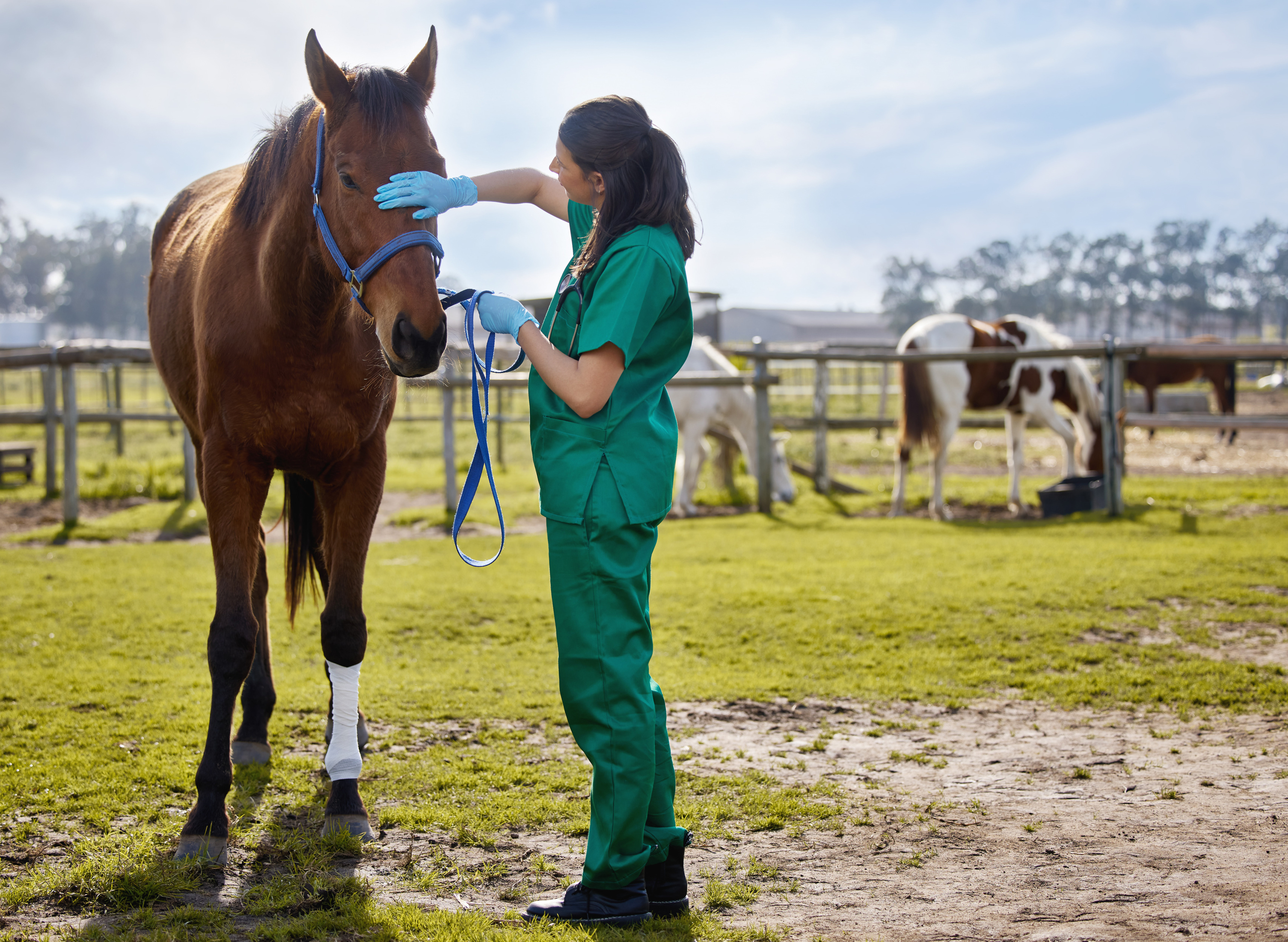

World Wildlife Day is a reminder that safeguarding biodiversity depends on how quickly we can detect, understand, and respond to disease threats in animals; whether they are pets, livestock, or free‑ranging wildlife. Zytca Animal Health’s point‑of‑care platforms and rapid molecular diagnostics are being developed with exactly this challenge in mind, helping make frontline conservation and One Health work faster, more scalable, and more equitable.
Why diagnostics matter for wildlife conservation
Infectious disease is now recognised as a major driver of species decline, threatening already vulnerable populations and disrupting whole ecosystems. When outbreaks like African swine fever or highly pathogenic avian influenza move through wild populations, they can devastate threatened species and spill over into domestic animals, with knock‑on impacts on food security and livelihoods.
Conservation practitioners and wildlife vets often work in remote, resource‑limited settings where traditional lab‑based PCR is simply not feasible: samples degrade in transit, results arrive days too late, and opportunities to intervene are lost. Bringing diagnostics to the field, rather than moving samples to distant laboratories – is therefore becoming a core conservation tool, not a luxury.
Zytca’s role: rapid PCR at the point of care
Zytca Animal Health was founded by scientists who previously helped develop ultra‑rapid COVID‑19 testing and have now translated this expertise into veterinary and field diagnostics. The company designs portable PCR platforms and lyophilised reagents that deliver qualitative results in under 30 minutes, often without the need for complex sample preparation or traditional laboratory infrastructure.
This combination of handheld point‑of‑care devices, real‑time PCR assays and robust, room‑temperature‑stable reagents means disease screening can be carried out directly in clinics, on farms, or in conservation field sites. Faster answers enable faster decisions: isolating sick animals, adapting husbandry, prioritising individuals for treatment, or triggering targeted surveillance before an outbreak spreads.
From farms and clinics to the field
Although Zytca’s first applications have focused on production animals and companion animals, the same technologies are highly relevant for wildlife health and conservation. For example:
- Detecting high‑consequence transboundary diseases such as African swine fever virus (ASFV) in wild boar or feral pig populations at the forest edge, using simplified qPCR assays that remove the need for DNA extraction and tolerate challenging field conditions.
- Supporting surveillance for rapidly evolving RNA viruses in intensive systems, where low‑cost, rapid sequencing and qPCR can help characterise strain diversity and reduce the risk of spillover into wildlife reservoirs.
- Extending on‑site multiplex testing to mixed settings – such as rehabilitation centres, sanctuaries, or community interfaces – where domestic animals and wildlife share space and pathogens.
By shrinking the diagnostic workflow into a rugged, deployable format, Zytca’s platforms lower the barrier for conservation organisations, wildlife authorities and NGOs to incorporate molecular testing into routine fieldwork. This aligns directly with a One Health perspective, recognising the interconnectedness of wildlife, domestic animals, humans and the environment.
One Health and climate‑era threats
Climate change, land‑use change and intensification of animal production are reshaping how diseases emerge and move across landscapes. As new pathogens appear in wildlife, and known pathogens expand their range, early detection becomes a key form of climate adaptation for conservation programmes.
Zytca’s focus on ultra‑rapid, gold‑standard PCR aims to shorten the time from “first suspicion” to confirmed diagnosis, even for fast‑mutating pathogens. By doing so, its technologies can support national surveillance systems, cross‑border monitoring, and outbreak response frameworks that include wildlife as an integral component rather than an afterthought.
Dr Ming‑shan Tsai: conservation experience at the core
Zytca’s co‑founder, Dr Ming‑shan Tsai, brings a background that bridges advanced molecular diagnostics and hands‑on work with exotic and wildlife species. Having experience in zoological collections and conservation settings adds a practical understanding of what works – and what fails – when you try to apply “perfect” lab methods in rugged, real‑world conditions.
This perspective shapes how Zytca designs its assays and hardware: prioritising minimal sample handling, tolerance for variable sample quality, and workflows that can realistically be used by vets, field biologists and conservationists under pressure. It also reinforces the company’s commitment to partnering with stakeholders across the spectrum, from farmers and small animal practitioners to conservation NGOs and government agencies, to co‑create solutions that genuinely support wildlife health.
PICTURE OF MING-SHAN

Looking ahead: enabling field‑ready conservation diagnostics
As we mark World Wildlife Day, there is a growing recognition that conserving species means investing not just in habitat and anti‑poaching, but also in the invisible infrastructure of disease detection. Zytca Animal Health’s point‑of‑care PCR platforms, rapid qPCR assays are part of this emerging toolkit, making it possible to detect threats in time to act, wherever animals live.
By embedding conservation experience at the leadership level and aligning its innovation roadmap with One Health principles, Zytca is positioning its technology to serve not only the veterinary and farming sectors, but also the wildlife and conservation community that stands on the front line of biodiversity protection