
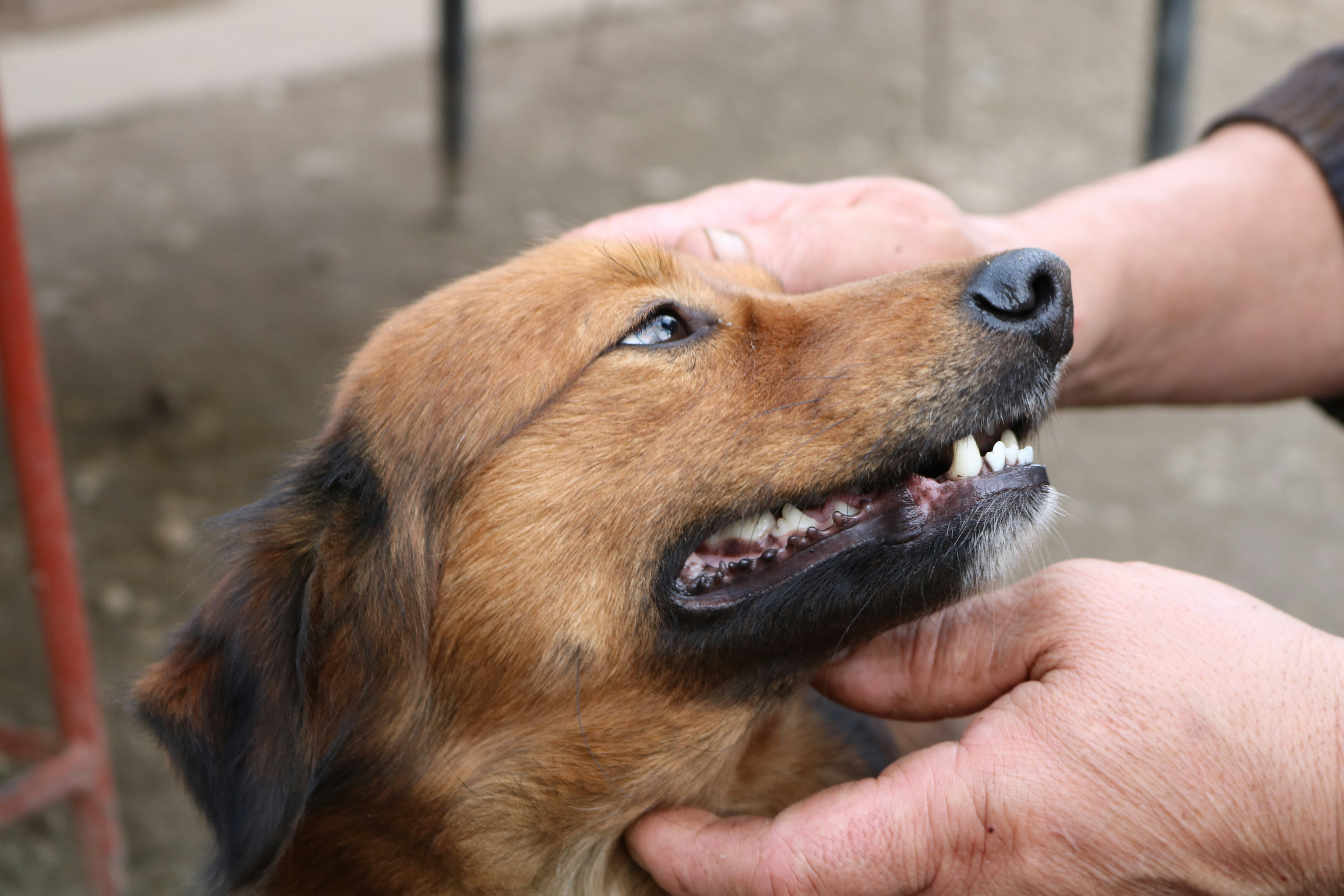

Brucellosis remains one of the most frustrating infectious diseases in veterinary practice because it is both clinically variable and diagnostically elusive. In the review Pathology and diagnosis of brucellosis (Brucella spp.) in veterinary species (Veterinary Pathology Journal, April 2026), the central message is clear: no single test is perfect, and diagnosis depends on understanding the organism, the host species, the sample type, and the stage of infection. For dogs in particular, Brucella canis stands out because of its zoonotic potential, reproductive impact, and the frequent mismatch between clinical suspicion and laboratory confirmation.
Why Brucella canis matters
Unlike the better-known smooth Brucella species, B. canis is an organism that often causes reproductive disease, infertility, abortion, prostatitis, epididymitis, and prolonged bacteremia or tissue localization in dogs. Infection can be clinically silent, especially early on, which makes kennel outbreaks and household transmission easy to miss. The public health angle also matters, since infected dogs can expose people through reproductive or urinary secretions.
Limits of conventional diagnosis
Traditional diagnosis still leans heavily on serology and culture, but both have important weaknesses. Culture is definitive when positive, yet it is slow, hazardous, and often insensitive because the organism is difficult to isolate. Serology is useful for screening, but antibodies may not appear until weeks after infection, and test performance varies between assays, which can leave clinicians with false reassurance or equivocal results.
Why qPCR changes the picture
qPCR is the major advance that deserves emphasis in any discussion of B. canis diagnosis. It detects bacterial DNA directly, so it can identify infection before seroconversion and does not require viable organisms, which makes it faster and safer than culture. This is particularly valuable in breeding kennels, imported dogs, and cases where clinical suspicion is high but serology is negative or inconsistent.
The strongest practical advantage is that qPCR can be applied to multiple sample types. Whole blood is useful, but studies show that vaginal swabs, urine, semen, and reproductive tissues may be more informative depending on sex and disease stage. In one field study, vaginal swab qPCR had much higher sensitivity than whole-blood qPCR when compared with serology, and many qPCR-positive dogs had not yet seroconverted.
Sample choice matters
For B. canis, the “best” sample is not always blood. In male dogs, urine and semen may be particularly useful because of prostatic involvement and shedding into the genital tract. In females, vaginal swabs can outperform blood when the organism is localized in the reproductive tract. That makes qPCR especially attractive for targeted investigation rather than blunt screening alone.
How to position qPCR in practice
The most sensible approach is not qPCR versus serology, but qPCR plus serology. Serology remains helpful for screening populations and identifying animals with prior exposure, while qPCR provides direct evidence of current infection and is better suited to early or active disease. Used together, they improve case detection, reduce false negatives, and support faster containment measures in kennels and breeding populations.
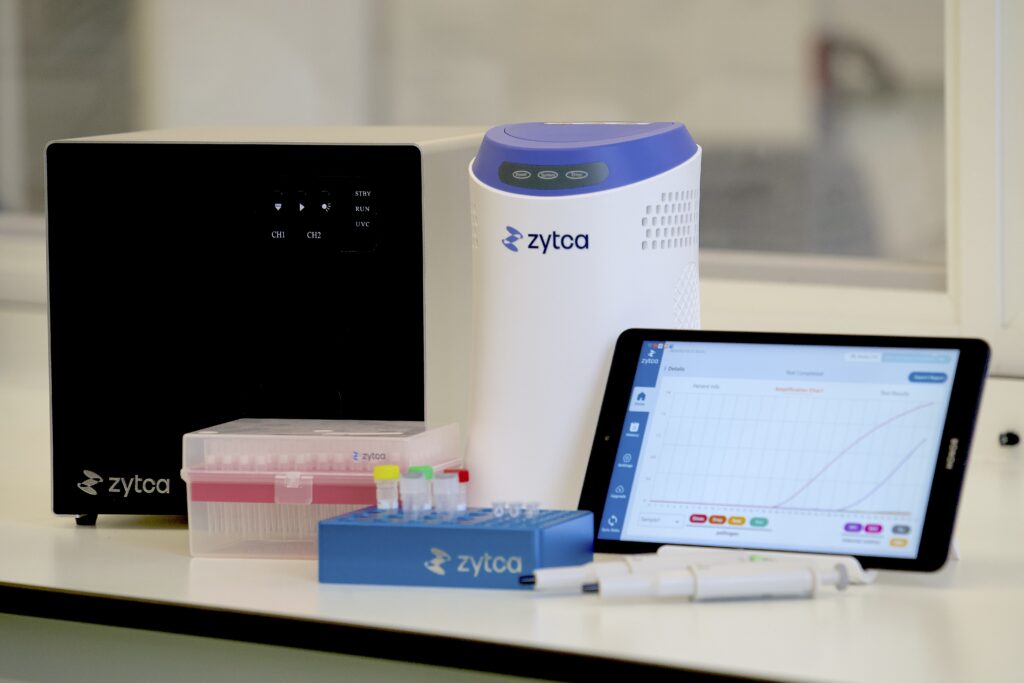
The UlfaQ qPCR in-clinic analyser – small enough to fit into existing practice laboratories and with the ability to perform PCR analysis for detection of Brucella canis. UlfaQ In-clinic Real-time PCR – Portable Veterinary qPCR Device
REFERENCE:
Rebollada-Merino A, Domínguez L, Rodríguez-Bertos A. Pathology and diagnosis of brucellosis (Brucella spp.) in veterinary species. Veterinary Pathology. 2026;0(0). doi:10.1177/03009858261435106