

Infectious canine hepatitis is a potentially serious disease in dogs the UK, primarily caused by canine adenovirus-1 (CAV-1). If contracted, it has a mortality rate of 10–30% in unvaccinated or young dogs.
Most infectious canine hepatitis cases result from canine adenovirus-1 (CAV-1) infection, which spreads through bodily fluids – urine, faeces, and saliva. Infected dogs can shed the virus for up to 6 months, and wildlife, including foxes, can serve as reservoirs. Unvaccinated dogs, areas with low vaccine uptake, and imported animals pose an increased risk of infection. The virus has an affinity for endothelium as well as exhaustion of clotting factors which leads to the variety of clinical signs reported.
Young dogs are particularly susceptible.
💡Clinical signs of associated liver disease include;
- dependent oedema (suggestive of acute hepatitis),
- vomiting,
- melaena,
- high fever,
- abdominal pain,
- jaundice,
- encephalopathy leading to seizures,
- coagulopathies with haemorrhages in various organs, mucous membranes, and skin, secondary infections,
- In the per-acute form -sudden death without clinical signs.
Corneal opacity and anterior uveitis are commonly reported post-recovery, typically resolving without intervention.
Diagnosis depends on accurate, reliable, and rapid detection of the virus alongside hepatic biochemical changes (elevated serum ALT and ALP, hypoalbuminemia, thrombocytopaenia, leukopaenia, and abnormal coagulation profiles) to enable aggressive treatment and prevent the spread of disease.
💡Diagnosis relies on:
- PCR (EDTA blood, liver biopsies, urine, rectal swabs and post-mortem samples)
- ELISA
- Serological testing
At Zytca Animal Health, we offer rapid, in-house PCR testing for infectious canine hepatitis. This allows reliable diagnosis to optimise treatment response and differentiate between CAV-1 and CAV-2 (used in vaccines and linked to respiratory disease).
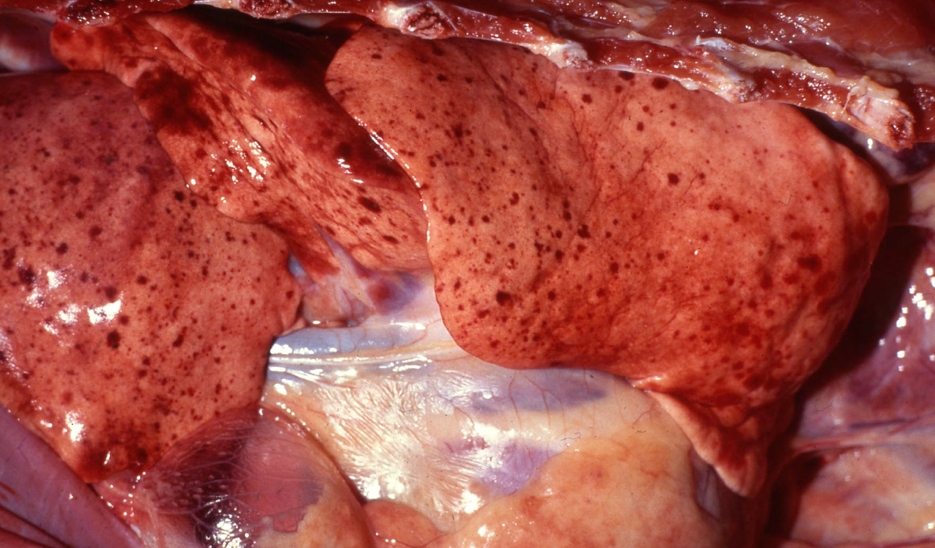
IMAGE 1: Multifocal haemorrhages on the lungs on a dog infected with Infectious Canine Hepatitis (Canine adenovirus 1). Image courtesy of Noah’s Arkive, Davis-Thompson Foundation.
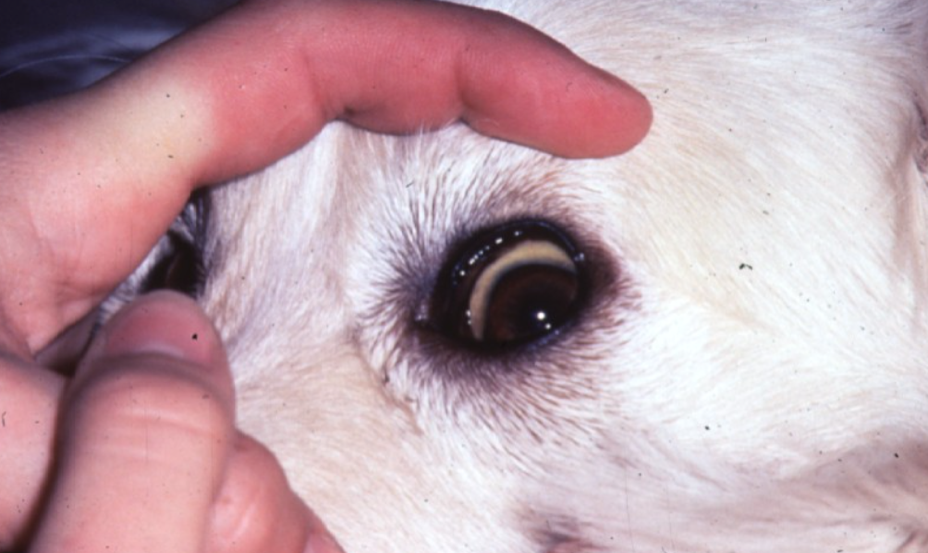
IMAGE 2: Typical clinical signs associated with hepatopathy related to Infectious Canine Hepatitis (CAV-1); jaundice of the sclera. Image courtesy of Noah’s Arkive, Davis-Thompson Foundation.
While canine infectious hepatitis is largely controlled through vaccination, cases in young dogs remain potentially life-threatening in regions with low vaccination rates or exposure to wildlife reservoirs. Rapid diagnostics and effective supportive care are critical for these patients.
REFERENCES:
Walker, D., Fee, S., Hartley, G. et al. Serological and molecular epidemiology of canine adenovirus type 1 in red foxes (Vulpes vulpes) in the United Kingdom. Sci Rep 6, 36051 (2016). https://doi.org/10.1038/srep36051